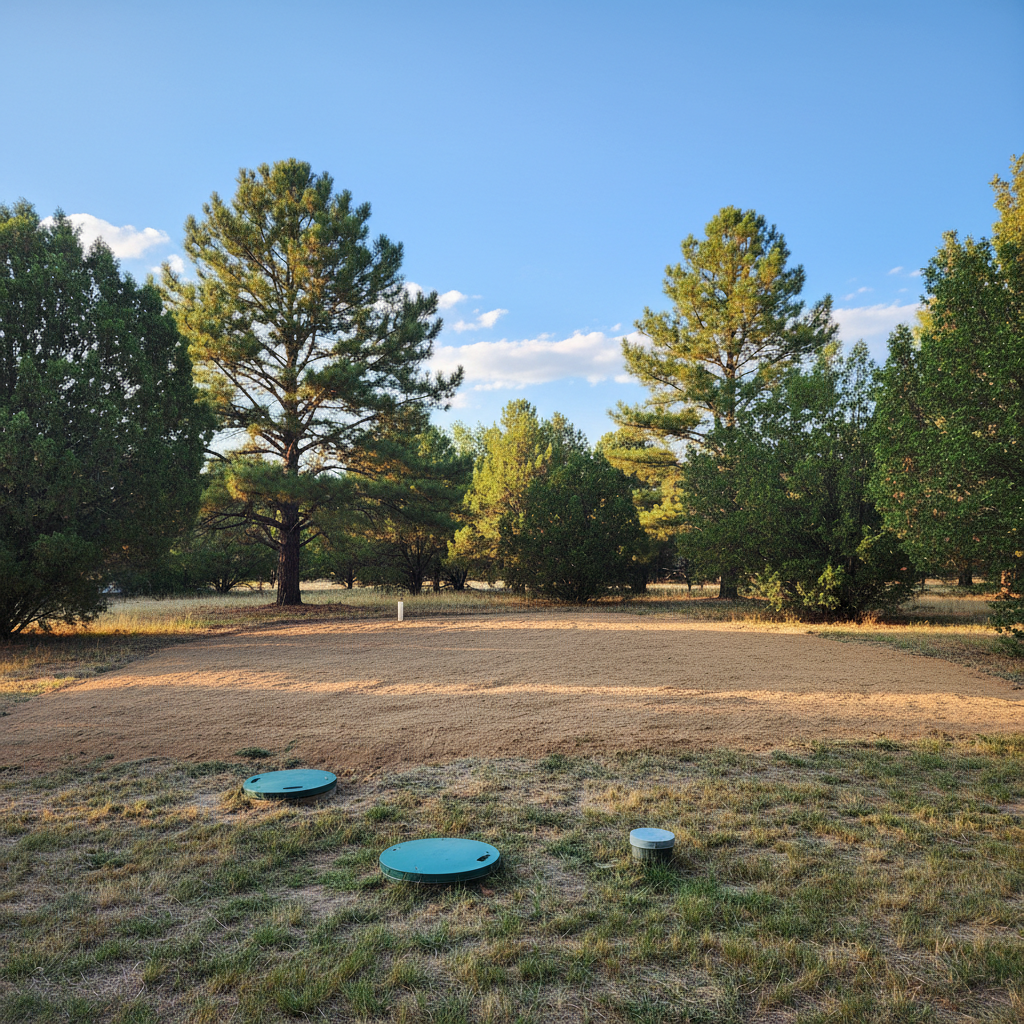
So, you're thinking about a new septic system, or maybe your current one needs some work. Smart move, planning ahead! Here in Prescott, we certainly know what the ground can throw at us. When it comes to digging for a septic system, you can't just pick any day. The weather and the season really dictate how smoothly things go and, frankly, how much it might end up costing you.
When's the Best Time for Septic Work?
Honestly, the sweet spot for septic excavation around here is usually spring or fall. Why? Well, just think about it. Our summers get scorching hot, and winter can be brutal with frozen ground. You really need the ground to be workable, not like concrete or a muddy swamp.
Spring (March-May): This is prime time. The snow's typically melted, the ground has thawed out, and it's usually not too wet from heavy rains. Temperatures are mild, which is better for the crew and the equipment, you know? Plus, if you get it done in spring, your system's all set for the heavy usage that summer brings.
Fall (September-November): Another excellent window. The summer heat has finally broken, and we often get a nice dry spell before the winter snows hit. The ground is usually dry and firm, which makes for cleaner, more efficient digging. You avoid the mud of spring thaws and that rock-hard ground you get in winter.
What About Prescott's Weather?
Our weather here in Prescott is quite the character, isn't it? It's beautiful, but it can definitely throw a wrench into excavation plans if you're not careful. I've seen folks try to push through jobs in the dead of winter or during monsoon season, and it rarely ends well. Here's what we're always keeping an eye on:
Frozen Ground: This is a big problem in winter. When the ground freezes solid, especially in higher spots like Williamson Valley, digging becomes a nightmare. It's slower, it's harder on our equipment, and sometimes you just can't get through it without special, expensive tools. That means more time and more money for you. We really try to avoid it if we can.
Heavy Rain/Monsoons: Our summer monsoons, usually July and August, can turn a perfectly good excavation site into a soupy mess in a hurry. Wet soil is unstable, and it can collapse right into your trenches. It's also incredibly tough to work in, and it can compact poorly, which isn't good for how long your septic system will last. We'll often postpone jobs during heavy, sustained rainfall to make sure everything stays safe and high-quality.
Extreme Heat: While not as disruptive as frozen or muddy ground, working in 100-degree heat isn't ideal. It slows down the crew and can affect equipment. It's manageable, sure, but spring and fall are just more comfortable and efficient all around.
Protecting Your Septic Investment Year-Round
Once your septic system is in, you want it to last, right? Here are a few things to remember, no matter the season:
Know Your System's Location: This sounds obvious, but you'd be surprised how many people don't. Keep a map of your tank and drain field. Don't drive heavy vehicles or build structures over it. That's a surefire way to damage lines or compact the soil, which really messes up your drain field.
Watch What Goes Down the Drain: This is basic septic care, but it bears repeating. No harsh chemicals, no grease, no non-biodegradable stuff. Your septic system is a living ecosystem; treat it right.
Regular Maintenance: Get your tank pumped every 3-5 years, depending on how many people live in your house. This stops solids from building up and flowing into your drain field, which is where the real problems usually start.
Landscaping Around It: Be smart about planting. Tree roots are notorious for seeking out water and nutrients, and they'll find their way into your drain field lines if they're too close. Stick to shallow-rooted plants or just grass over the drain field area.
Look, getting a septic system installed or repaired is a big deal. You want it done right the first time, and that means paying attention to the conditions. At Apex Excavating Solutions, we're always checking the forecast and advising our clients on the best timing. We're here to make sure your project goes as smoothly as possible, no matter what Prescott's weather decides to do.