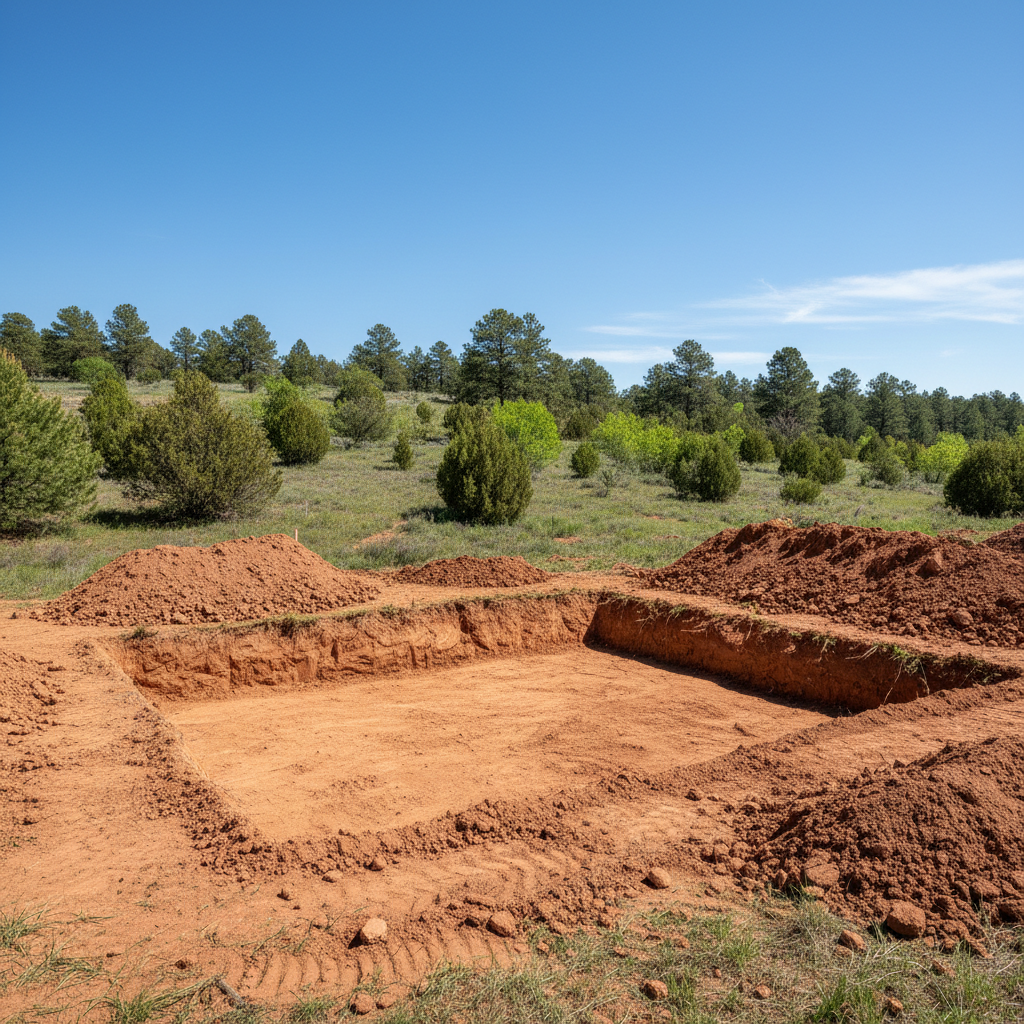
Alright, let's talk foundations here in Prescott. You're building something new, maybe an addition, or even your dream home up in Williamson Valley. That foundation dig? It's the absolute start of everything. Getting it right means really understanding our local climate. It's not just about getting a shovel in the ground; it's about doing it smart, you know?
When's the Best Time to Dig a Foundation in Prescott?
Honestly, the 'best' time often depends on your overall project timeline. But if you have some flexibility, I'd tell you to aim for spring or fall. Why? Well, our summers get brutally hot. Digging in 100-degree heat isn't just tough on the crew; it can also affect soil conditions and how quickly concrete cures. You're looking at potential delays and higher costs if we're fighting the sun all day. Plus, concrete needs careful curing, and extreme heat makes that a real challenge.
Winter's got its own issues, which I'll get into. But spring (think April-May) and fall (September-October) usually offer milder temperatures and more predictable weather. The ground isn't frozen solid, and we're typically past the heaviest monsoon rains or before the worst of the winter snow. Perfect, really.
Weather Conditions That Really Matter for Excavation
You might think, 'It's just dirt, right?' Not quite. The weather plays a massive role in how we excavate and how well your foundation will perform long-term. Here's what I'm always watching:
- Rain: This is a big one. Our monsoon season in late summer can turn a perfectly dry site into a muddy mess overnight. Digging in saturated soil is difficult, dangerous, and can compromise the integrity of the trench walls. We're talking about potential cave-ins, which nobody wants. If we hit a rainy spell, we might have to pause work, let things dry out, and then come back. That costs time and money. Plus, if your footings are poured into muddy trenches, you're starting with a weaker foundation.
- Freezing Temperatures: Winter brings frost. If the ground freezes deep, it's like digging through concrete. It slows everything down and puts a lot of stress on equipment. More importantly, if we dig and then freezing temperatures hit before the concrete is poured and cured, you've got problems. Frost heave can lift and crack freshly poured concrete or even destabilize the excavated area. We've seen it happen when folks try to rush things in December or January.
- Extreme Heat: As I mentioned, summer heat isn't just uncomfortable. It can cause soil to dry out too quickly, making it harder to compact properly. Concrete can also cure too fast, leading to cracking. We take precautions, like keeping the concrete wet, but it's an added layer of complexity.
- Wind: While not as critical as rain or freeze, strong winds can kick up a lot of dust, especially in our drier months. It's a visibility issue for the crew and can make working conditions miserable. It can also dry out freshly exposed soil or concrete too quickly.
Protecting Your Foundation Investment Year-Round
Once the foundation is in, your job isn't over. You've made a significant investment, and protecting it from our unique Prescott climate is key. Here's what I always tell my clients:
- Drainage is King: I can't stress this enough. Our soils, especially the expansive clays you find in some parts of town, react dramatically to moisture. Make sure your grading slopes away from the foundation. Install gutters and downspouts that direct water far away from the perimeter. If water collects around your foundation, it can lead to settlement, cracking, and even hydrostatic pressure in your basement or crawl space.
- Keep an Eye on Landscaping: Those beautiful trees and shrubs? Their roots can seek out moisture and even compromise foundation integrity over time if they're too close. Also, avoid planting anything that requires constant heavy watering right next to the house. You want consistent soil moisture, not a swamp.
- Regular Inspections: Just like you check your roof, take a walk around your foundation once or twice a year. Look for cracks, signs of settling, or areas where water might be pooling. Catching small issues early can save you a fortune down the road. If you see something concerning, don't hesitate to call a professional.
- Backfill Properly: When we backfill around your foundation, we make sure it's done right, compacted in layers to prevent future settlement. But sometimes, over time, the soil can settle further. If you notice significant depressions around your foundation, it's a good idea to add more soil and compact it to maintain that crucial positive drainage slope.
Building a solid foundation is about more than just digging a hole. It's about understanding the ground beneath us and respecting what Mother Nature throws our way here in Prescott. At Apex Excavating Solutions, we've seen it all — the good, the bad, and the ugly — and we're here to help you get it right from the start.