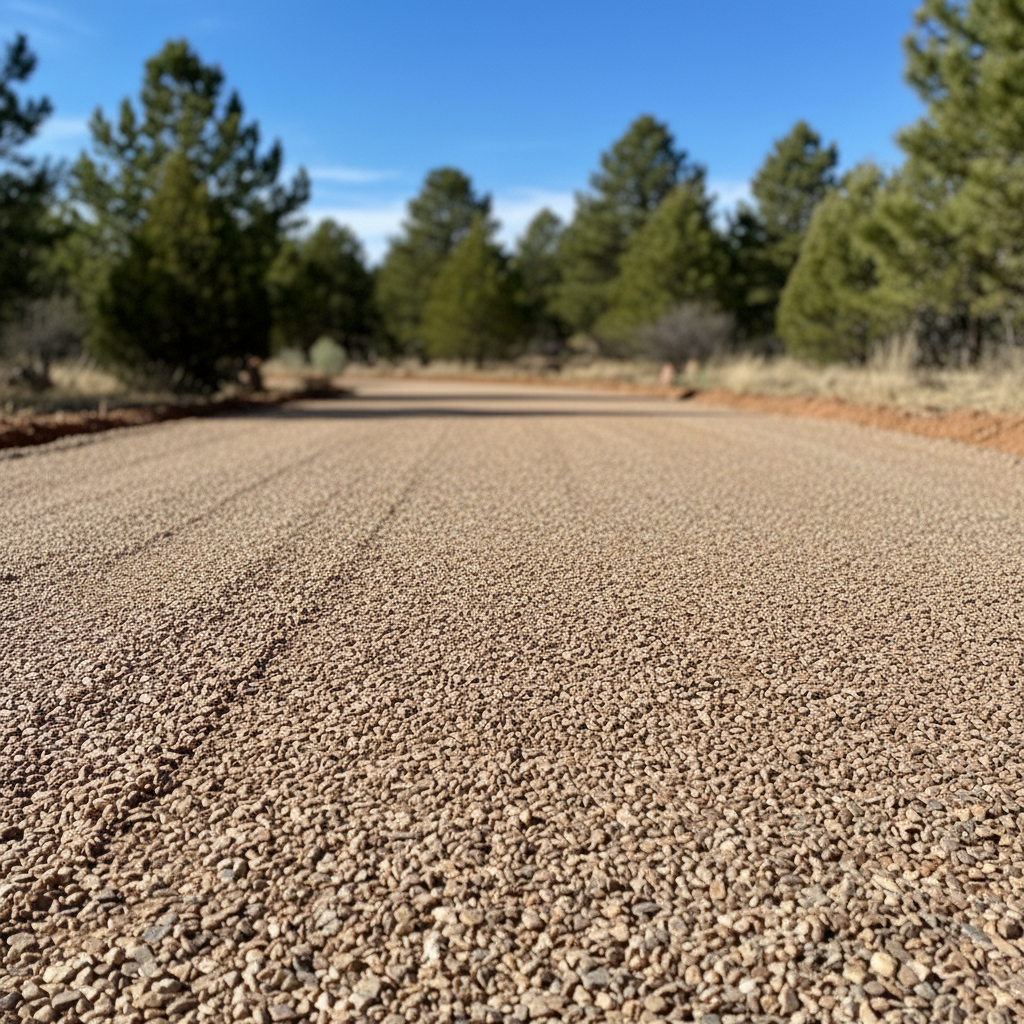
Alright, let's talk driveways. Specifically, getting them graded right. I hear from a lot of folks around Prescott, and a good chunk of their questions are about driveways. It’s not just about dumping some gravel, you know? There's a real art and science to making sure your driveway lasts, drains properly, and doesn't turn into a muddy mess or a mini-river when the monsoon hits. I've pulled together answers to some of the most common questions I get. This isn't marketing fluff; this is just what I've learned from years of moving dirt around this town.
What's the big deal with driveway grading anyway? Can't I just dump some gravel?
You could, sure, but you'd probably regret it. Proper driveway grading isn't just about making it look nice; it's really about managing water and making the thing last. If your driveway isn't graded correctly, water won't drain away from your house or even the driveway itself. It'll just pool up, erode the surface, and eventually undermine the base. That means potholes, washouts, and a whole lot of headache later. Here in Prescott, with our sometimes intense summer thunderstorms and the clay content in some of our soils, good drainage is absolutely critical. You want water to flow away, not sit there or run where it shouldn't.
How much slope does a driveway need to drain properly?
There's no single answer that fits every situation, but generally, you're looking for at least a 2% slope. That's about 2 feet of drop for every 100 feet of length. For gravel driveways, I often suggest a bit more, maybe 3-5%, just to really get that water shedding off quickly. If it's too flat, you'll get standing water. Too steep, and you've got erosion problems and a slick surface in winter. It's a balance, really, and it usually depends on the surrounding land and exactly where you want that water to go. We're always aiming to direct water to a safe drainage area, not towards your foundation or your neighbor's property, right?
What's the best material for a graded driveway in Prescott?
That really depends on your budget, how much traffic it'll see, and the look you're going for. For many people, a well-graded and compacted gravel driveway is a fantastic, cost-effective option. We often use a crushed aggregate base, sometimes with a finer top layer. Asphalt and concrete are more expensive, but they do offer a smoother, more durable surface. For gravel, you want a good mix of aggregate sizes that compact well. I've seen plenty of driveways around the Williamson Valley area that are just dirt and rock, and honestly, they turn into a mess every time it rains because they weren't properly prepared or graded. Investing in the right material and proper installation saves you money down the road, believe me.
My driveway washes out every monsoon. What can I do?
This is a classic Prescott problem! If your driveway is washing out, it's almost certainly a grading and drainage issue. The water isn't being directed properly, or maybe the slope is too steep in spots, or the material just isn't holding up. We often look at adding swales or culverts to divert water, or sometimes a French drain along the side of the driveway. You might need to re-grade the entire thing, establish a proper crown (that's where the center is higher than the edges), and use a more stable aggregate. Sometimes, even a simple speed bump or water bar can help slow down water flow on a steeper section. It's all about controlling that water, isn't it?
Do I need a permit to grade my driveway?
For minor grading, probably not. But if you're doing significant earthmoving, changing drainage patterns that affect neighboring properties, or building retaining walls, you absolutely might. It's always best to check with the City of Prescott's planning department or Yavapai County Development Services, depending on where your property is located. You really don't want to get halfway through a project only to find out you're in violation of local ordinances. A quick call can save you a big headache and potential fines.
How long does a properly graded driveway last?
A well-graded and properly installed gravel driveway, especially with good materials, can last for many years with minimal maintenance. I'm talking 10-15 years, maybe even more, before it needs a major overhaul. Asphalt and concrete will last even longer, often 20-30 years or more, assuming they're maintained. The key is that initial grading and base preparation. If that's done right, you're set up for success. If it's rushed or corners are cut, well, you'll be doing repairs much sooner. It's an investment, and like any investment, the quality of the initial work makes all the difference.
Look, your driveway is one of the first things people see, and it's something you use every single day. Don't underestimate the importance of getting it done right. If you've got questions specific to your property here in Prescott, or if you're ready to tackle that driveway project, give Apex Excavating Solutions a call. We're happy to come out, take a look, and give you an honest assessment.