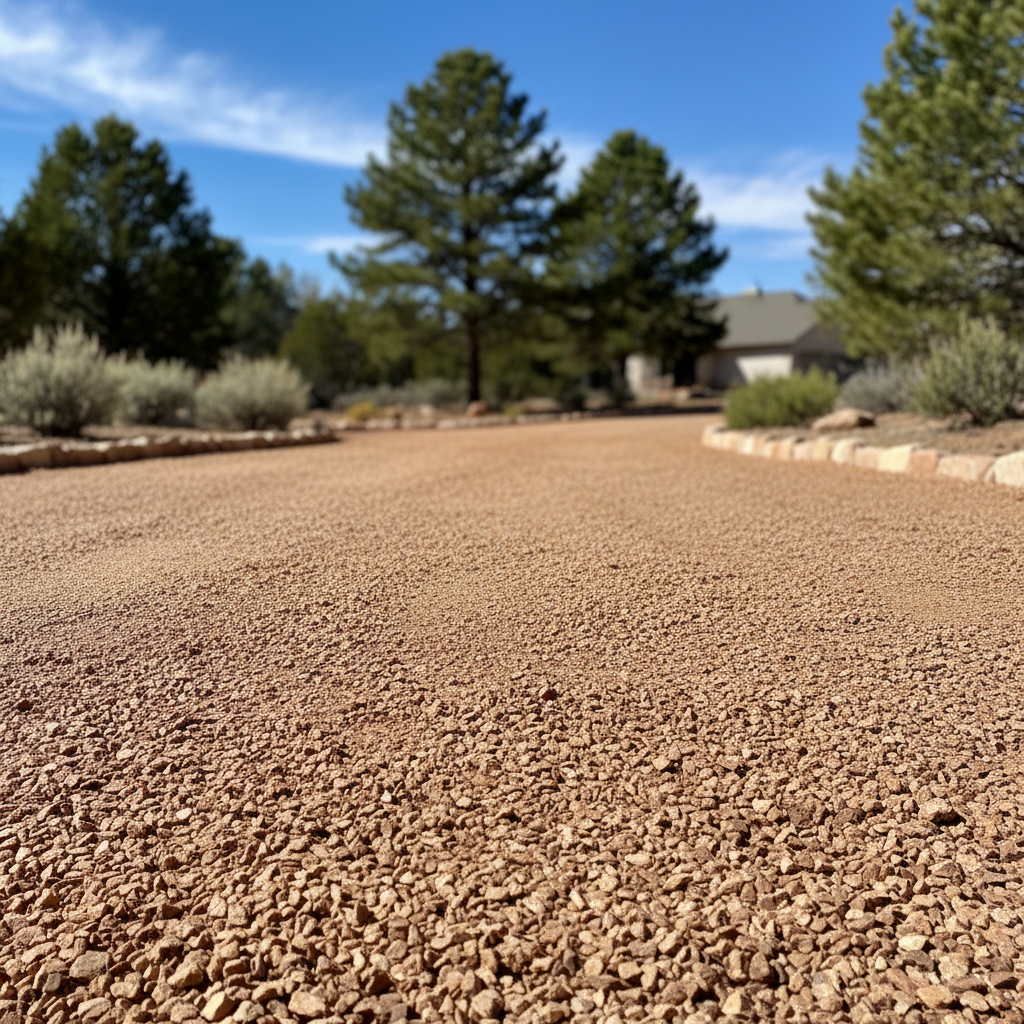
Your driveway isn't just a simple path to the garage; it plays a big role in how water drains around your house. If it's graded wrong, water can shoot straight into your foundation, eat away at your landscaping, or just turn into a muddy mess. Here in Prescott, with our seasonal monsoons and those heavy winter snowmelts, getting the grading right isn't just a bonus—it's absolutely essential.
So, you're looking at your driveway, maybe after a big rain, and thinking, "Can I actually fix this myself?" Let's talk about what a homeowner can realistically handle and when it's time to call in the pros.
Before You Start: Planning and Permits
Don't just grab a shovel and start digging. Seriously, that's a recipe for disaster. First, you need a solid plan. What's the end goal here? Are you just trying to get rid of a few puddles, or are you building a whole new driveway from scratch? You really need to understand the lay of your land. Water always runs downhill, right? So, you want your driveway to slope gently away from your house and toward a specific drainage spot, like the street, a swale, or maybe a French drain. Never, ever, direct water toward your neighbor's property or, for goodness sake, your own foundation.
Next up: permits. This is a big one. For any significant grading work, especially if you're changing how water naturally drains or moving a lot of dirt, you'll probably need a permit. That could be from Yavapai County or the City of Prescott, depending on exactly where you live. Ignoring this can lead to fines, stop-work orders, and then you'll have to redo everything anyway. Trust me, it's just not worth the headache. A good contractor, like us at Apex Excavating Solutions, will take care of all this paperwork for you. But if you're doing it yourself, it's all on your shoulders.
Finally, call 811 before you dig. Every single time. It's free, and it makes sure you don't hit any underground utility lines—gas, water, electric, communication. Hitting one of those isn't just dangerous; it's incredibly expensive to fix, too.
During the Project: Tools, Techniques, and Tough Decisions
Okay, you've got your plan and your permits. Now for the actual work. For minor grading, like filling small dips or smoothing out a gravel driveway, you might be able to tackle it yourself. You'll need some basic tools:
- A good quality shovel (both round point and square point are handy)
- A rake (a bow rake is fantastic for spreading material evenly)
- A trusty wheelbarrow
- A tamper or plate compactor (you can usually rent these)
- A string line and line level to help you check your slopes
- A measuring tape
- Safety gear: gloves, eye protection, and sturdy boots are a must
The basic idea is to shift material from high spots to low spots, making a consistent slope. You're aiming for a minimum slope of about 2%—that's roughly a 2-foot drop over 100 feet—for good drainage. Any flatter, and water will just sit there. Any steeper than 10-12%, and you're looking at erosion problems, especially with our decomposed granite soil around here. When you add new material, whether it's gravel, road base, or soil, you absolutely need to compact it in layers. Don't just dump a foot of gravel and expect it to stay put. Compact it in 4-6 inch lifts to get a really solid base.
So, when do you call a pro? If you're talking about:
- Moving more than just a few cubic yards of material
- Building a brand new driveway from scratch
- Dealing with big elevation changes
- Working super close to your home's foundation or other structures
- Needing to put in culverts or more complex drainage systems
- Using heavy equipment like excavators or bulldozers (unless you're a trained operator, please don't even think about it)
That's when you call us. We've got the right equipment, the expertise, and the insurance to do it right and, most importantly, safely. Trying to save a few bucks by renting a mini-excavator you've never operated can end up costing you a whole lot more in repairs, medical bills, or property damage. Just saying.
After the Work: Maintenance and Monitoring
Once your driveway is graded, your work isn't completely finished. You'll want to keep an eye on it, especially during the first few heavy rains. Look for any new puddles, signs of erosion, or spots where water isn't flowing quite right. For gravel driveways, you'll need to periodically add new material and re-grade to keep the proper slope and fill in any ruts that form.
Keep an eye on the edges of your driveway too. Erosion can start out small and then quickly wash away all that carefully graded material. Sometimes, simple landscape edging or strategically placed rocks can really help hold things in place.
Proper driveway grading isn't just about making things look nice; it's about protecting your biggest investment—your home. Whether you tackle a small repair yourself or bring in Apex Excavating Solutions for a major overhaul, doing it right will definitely save you headaches and money down the road.